May 4, 2026
SKU Data Enrichment: Fill Product Gaps Automatically with an API

Chris Johnson
CEO
What Is SKU Data Enrichment and Why Does Your Catalog Need It
If you are dealing with messy, incomplete, or inconsistent product data across your catalog or feeds, you are not alone. Many teams struggle with missing product attributes that damage the shopping experience and slow down operations. However, you likely are not looking to build enrichment logic from scratch. Instead, you want a reliable API or tool that fills in missing attributes automatically. You need to understand how SKU data enrichment works technically—including the schema, endpoints, and output format—and whether it integrates seamlessly with your existing PIM, storefront, or feed management stack.
Incomplete Product Data Is a Silent Conversion Killer
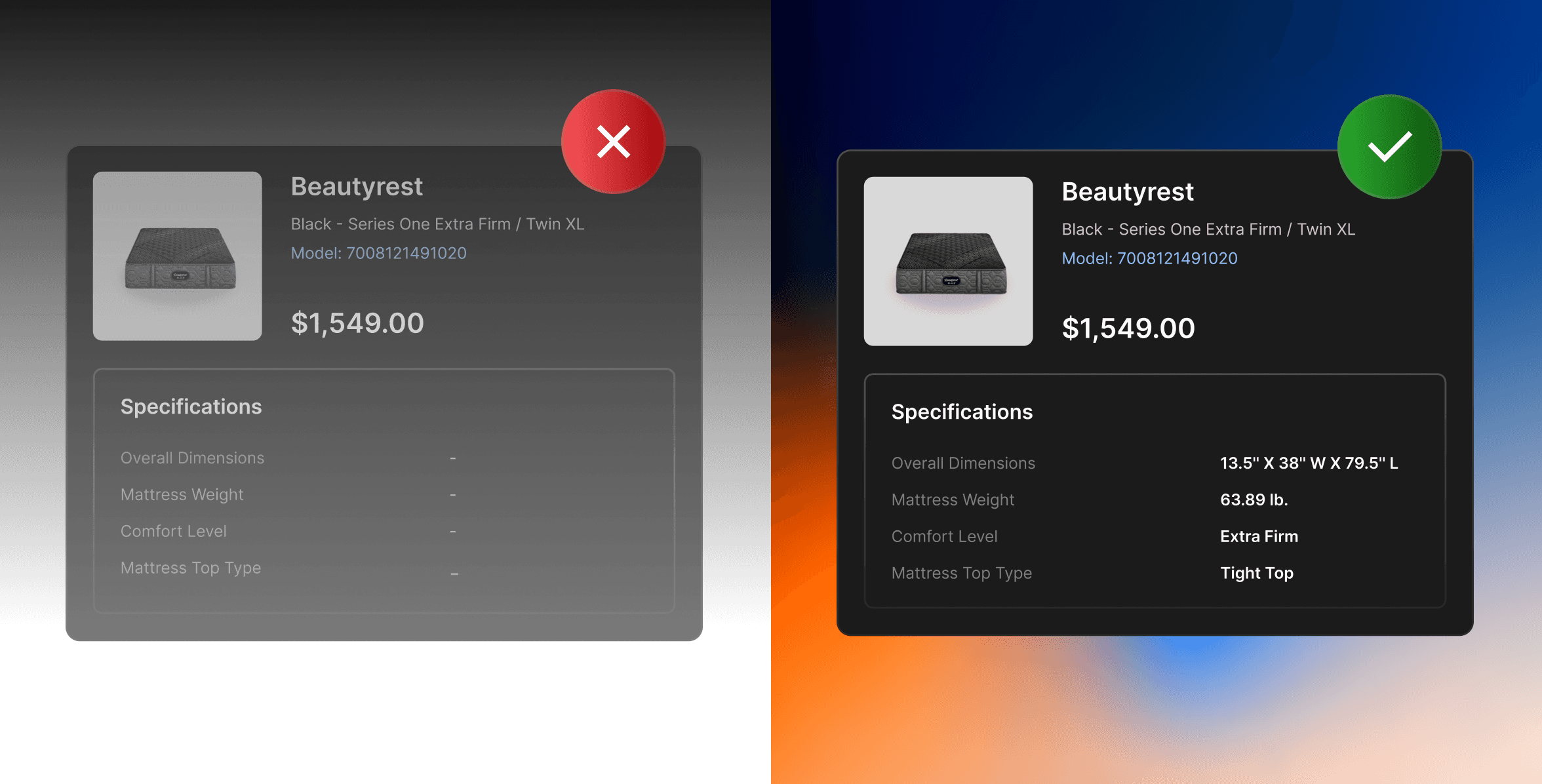
The core pain of poor product data is that customers abandon product pages when specs are missing, filters return no results, or categories are wrong. Without product data completeness, shoppers lose trust and simply look elsewhere.
This problem compounds rapidly at scale. For example, a 10,000-SKU catalog with 20% incomplete data means 2,000 broken product experiences. SKU attribute enrichment is how you fix this systematically, without reverting to manual spreadsheet work.
What SKU Data Enrichment Actually Does
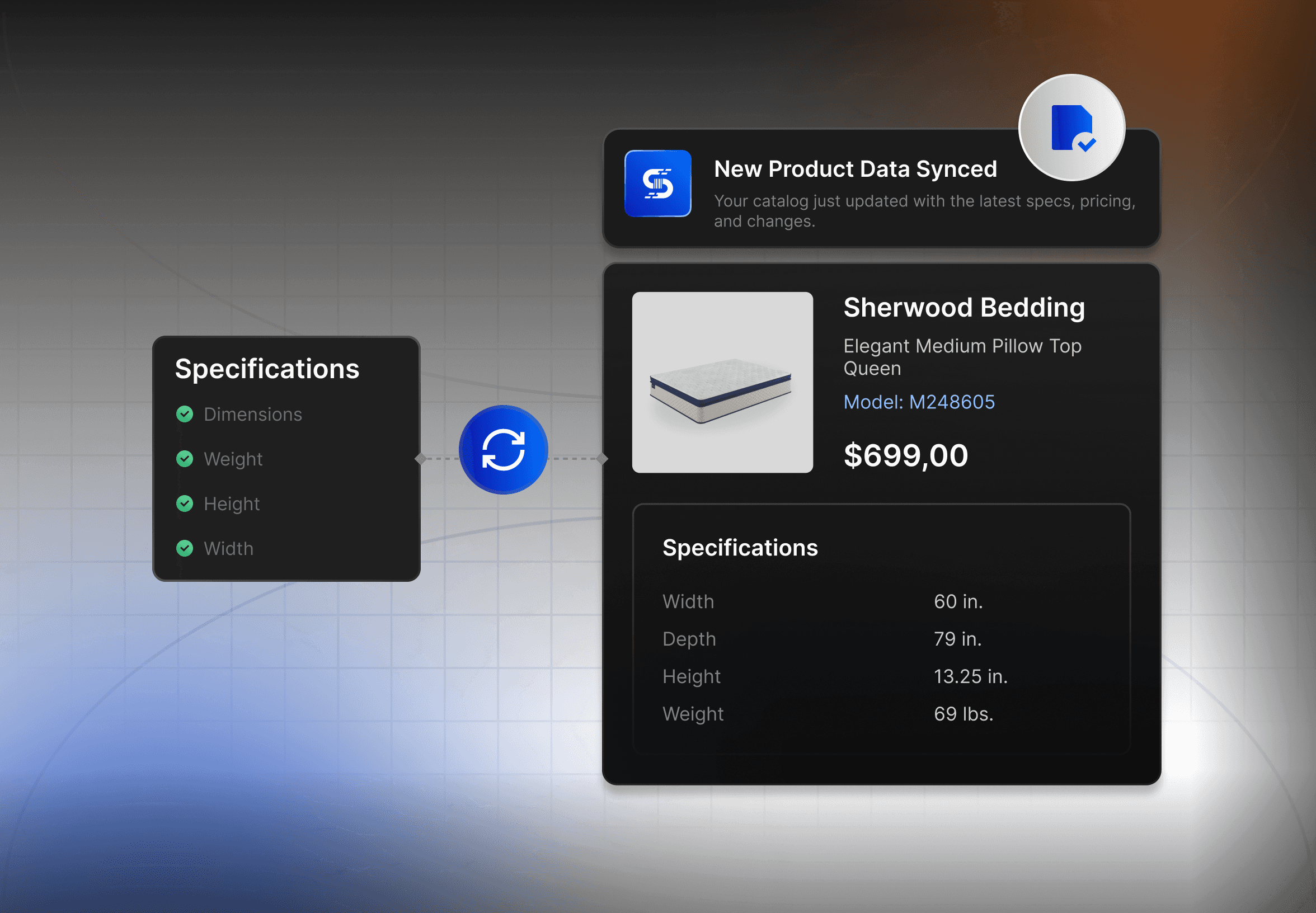
SKU data enrichment is the process of automatically identifying, filling, and normalizing missing or incorrect product attributes against a reliable data source. Through product catalog enrichment, you can automatically improve various elements of your inventory data.
Here is what gets enriched:
Product titles and category taxonomy
Specs, including dimensions, weight, and compatibility
Images and structured attributes like color, brand, and material
It is important to clarify what enrichment is not: it is not just formatting or renaming columns. Rather, it is matching raw SKUs to verified product records and pulling structured data from a trusted source.
Suggested Visual: Raw supplier feed vs. enriched JSON output side-by-side
The Problem with Raw Supplier Feeds
Most raw feeds come from suppliers with inconsistent naming conventions, missing fields, and no standardized schema. This lack of uniformity is exactly why product data normalization and enrichment cannot be skipped.
Furthermore, for category-specific verticals like appliances, generic enrichment tools often miss the spec depth that shoppers actually filter by, such as BTU, energy star rating, or cubic footage. This is where a specialized appliance product data API becomes critical.
How the Skulytics Enrichment API Works
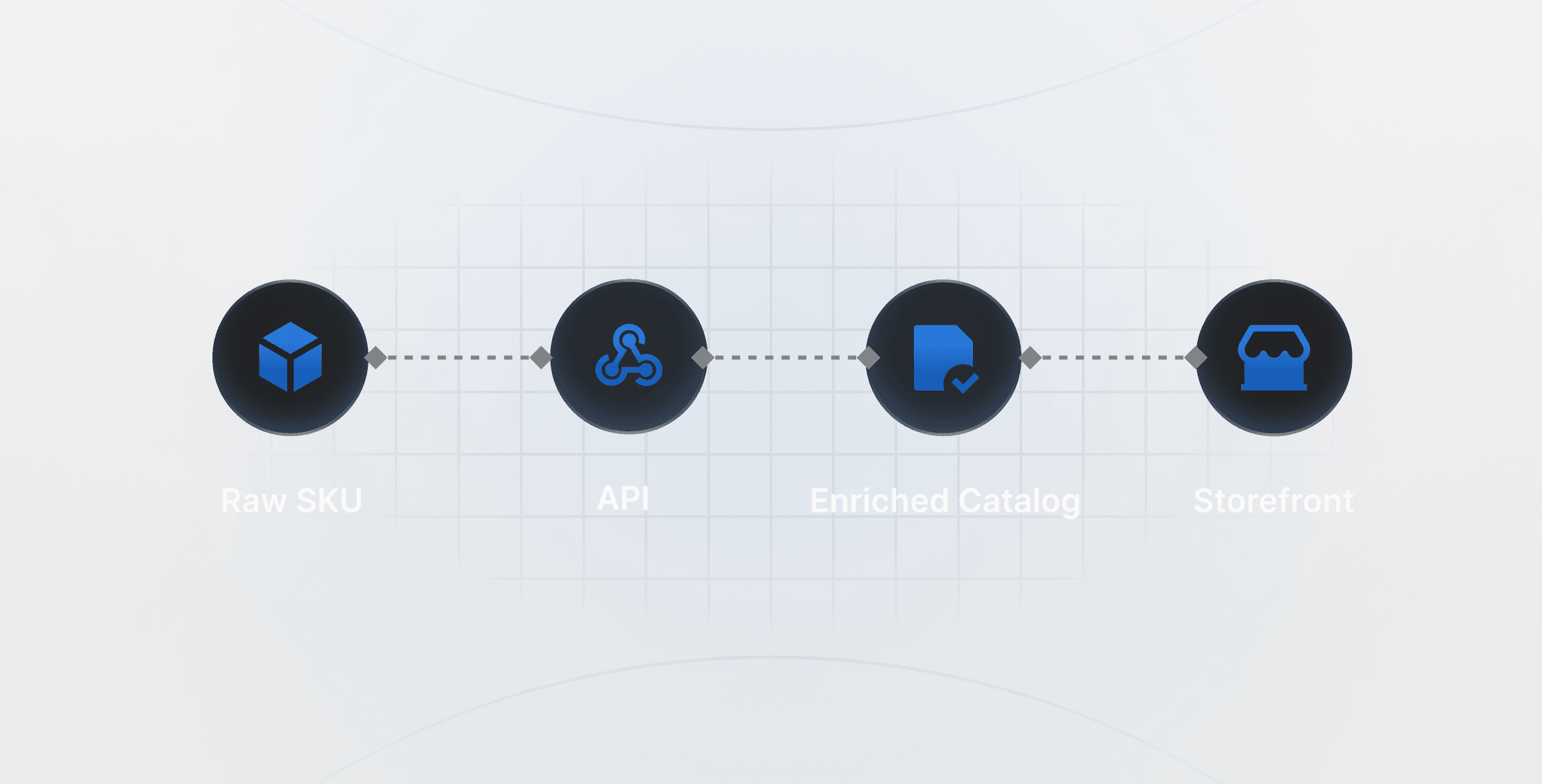
For developers, understanding the technical flow of a product data enrichment API is vital. Here is how the process works: you send a SKU or product identifier, the API matches it against the product database, and it returns a structured JSON response. This response includes the enriched attributes, confidence scores, and normalized values.
The Skulytics API offers several developer-focused details:
Consistent attribute keys across categories
Output schema stability
Match confidence scoring, ensuring that downstream systems can handle low-confidence responses gracefully
The system supports both real-time single-SKU lookups and bulk enrichment for catalog onboarding or feed processing pipelines.
Integration Patterns for Development Teams
There are two common integration patterns for development teams using a realtime product data API:
Real-time enrichment at the point of product ingestion
Scheduled batch enrichment for existing catalog cleanup
Regardless of the volume of data being processed, both patterns return the exact same structured schema, meaning the integration work remains consistent.
What E-Commerce Managers See on the Other Side
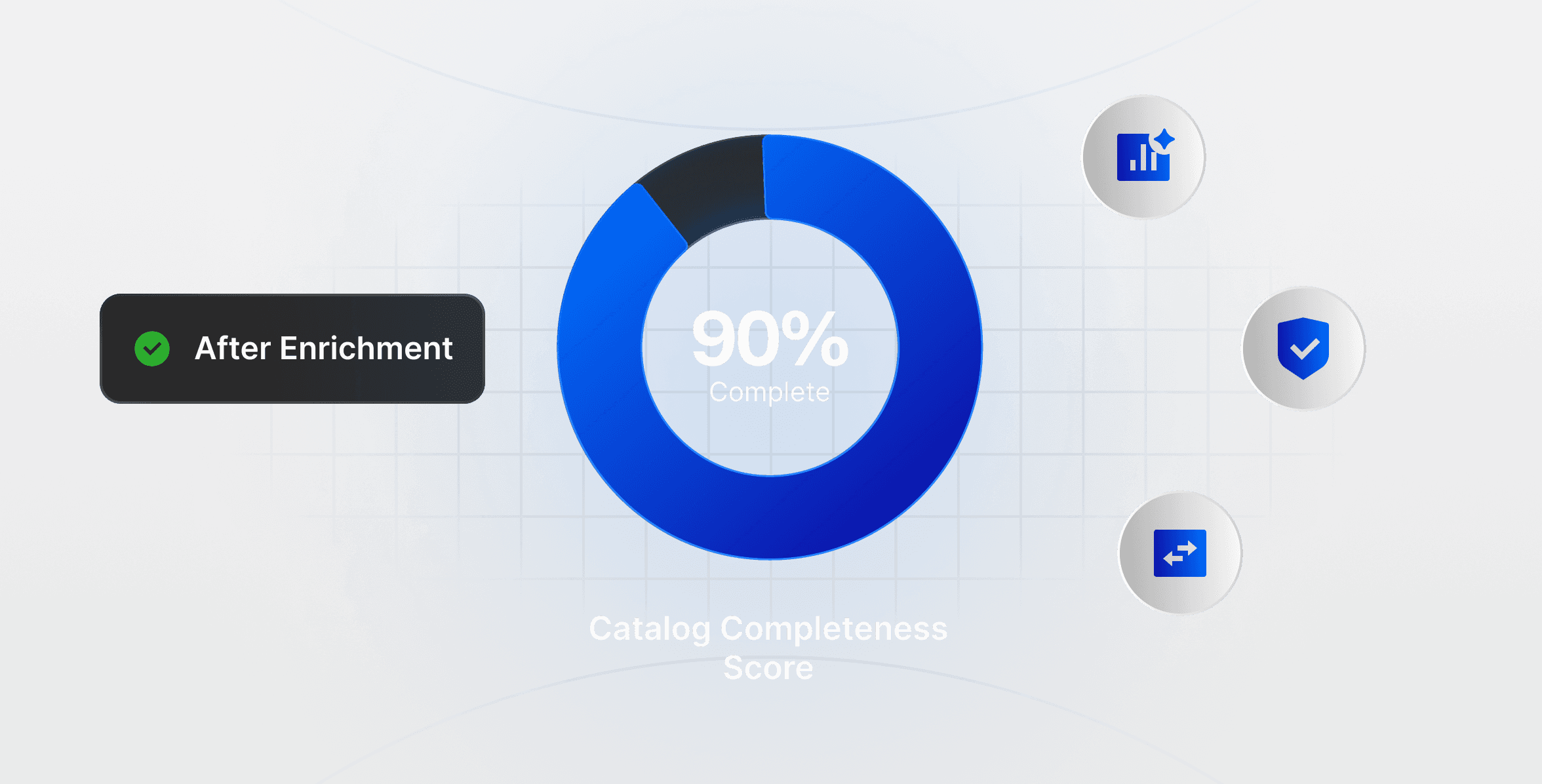
While developers handle the integration, e-commerce managers care about the business impact. Enriched SKUs mean more products appearing in filtered search results, fewer blank spec tabs, and lower return rates resulting from expectation mismatches.
Once the API is successfully integrated by the dev team, the enrichment runs automatically. There is no need for manual QA passes or endless spreadsheet roundtrips with suppliers. Ultimately, this is a one-time integration with a continuous payoff as new products are seamlessly added to the catalog.
Start Enriching Your Product Catalog with Skulytics
If your catalog is plagued by missing specs, miscategorized products, or inconsistent attributes, enrichment is the ultimate fix. Skulytics provides an API built specifically for the appliance and consumer electronics vertical.
Developers can easily explore the documentation at skulytics.io/docs, while e-commerce managers are encouraged to request a catalog audit or demo to see the results firsthand. Stop letting incomplete data kill your conversions, and start automating your catalog's accuracy today.
