July 28, 2026
Reducing Preventable Returns with Structured Product Data

Chris Johnson
CEO

Product returns are part of running an appliance retail business. Every returned appliance comes with costs that extend far beyond processing a refund. Unlike smaller retail products, appliances are expensive to transport and handle. A single return can mean another delivery trip, additional labor, inventory adjustments, and a frustrated customer.
Appliances are high-value purchases that often involve careful planning and consideration before a buying decision is made. When a product doesn’t fit the available space, doesn’t meet installation requirements, or doesn’t match the customer’s expectations, the result is more than just a return. It can delay home projects, require additional scheduling, and create a frustrating buying experience that damages trust in the retailer.
While some returns are impossible to prevent, many begin long before delivery day. Customers who lack complete or accurate product information are more likely to choose an appliance that doesn’t meet their needs. Giving shoppers better information before they buy is one of the most effective ways to reduce preventable returns.
Common Preventable Causes of Appliance Returns
Many appliance returns can be prevented before the product ever reaches the customer’s home. Understanding the most common preventable causes helps retailers identify where better product information can make the biggest impact.
Physical Fit and Space Limitations
One of the most common reasons for appliance returns is that the product simply doesn’t fit. A refrigerator may be too wide for the kitchen entrance, a wall oven may not match the cabinet cutout, or a dishwasher may not fit beneath the existing countertop. The problem often isn’t discovered until delivery day. Fortunately, this type of return is often preventable when customers have access to accurate appliance dimensions before making a purchase.
Installation and Utility Requirements
Some appliances require specific electrical connections, gas lines, plumbing, or ventilation systems. If customers aren’t aware of these requirements before purchasing, they may discover during installation that the appliance isn’t compatible with their home. These returns are largely preventable when installation requirements are clearly communicated before checkout.
Customer Preference Changes
Customers who purchase appliances online may decide the product doesn’t meet their expectations after seeing it in person. The finish, color, interior layout, or even the operating noise may differ from what they expected, leading them to request a return. Some of these returns can be reduced by providing complete product data, high-quality images, and accurate specifications that help customers set the right expectations before purchasing.
Not every appliance return is preventable. Some returns, such as those caused by shipping damage or manufacturing defects, are outside a retailer’s control and will still occur from time to time. However, many returns can be reduced by helping customers make informed purchasing decisions before they place an order. Providing complete, accurate, and consistent product information is one of the most effective ways to support those decisions.
How Structured Appliance Data Helps Reduce Appliance Returns
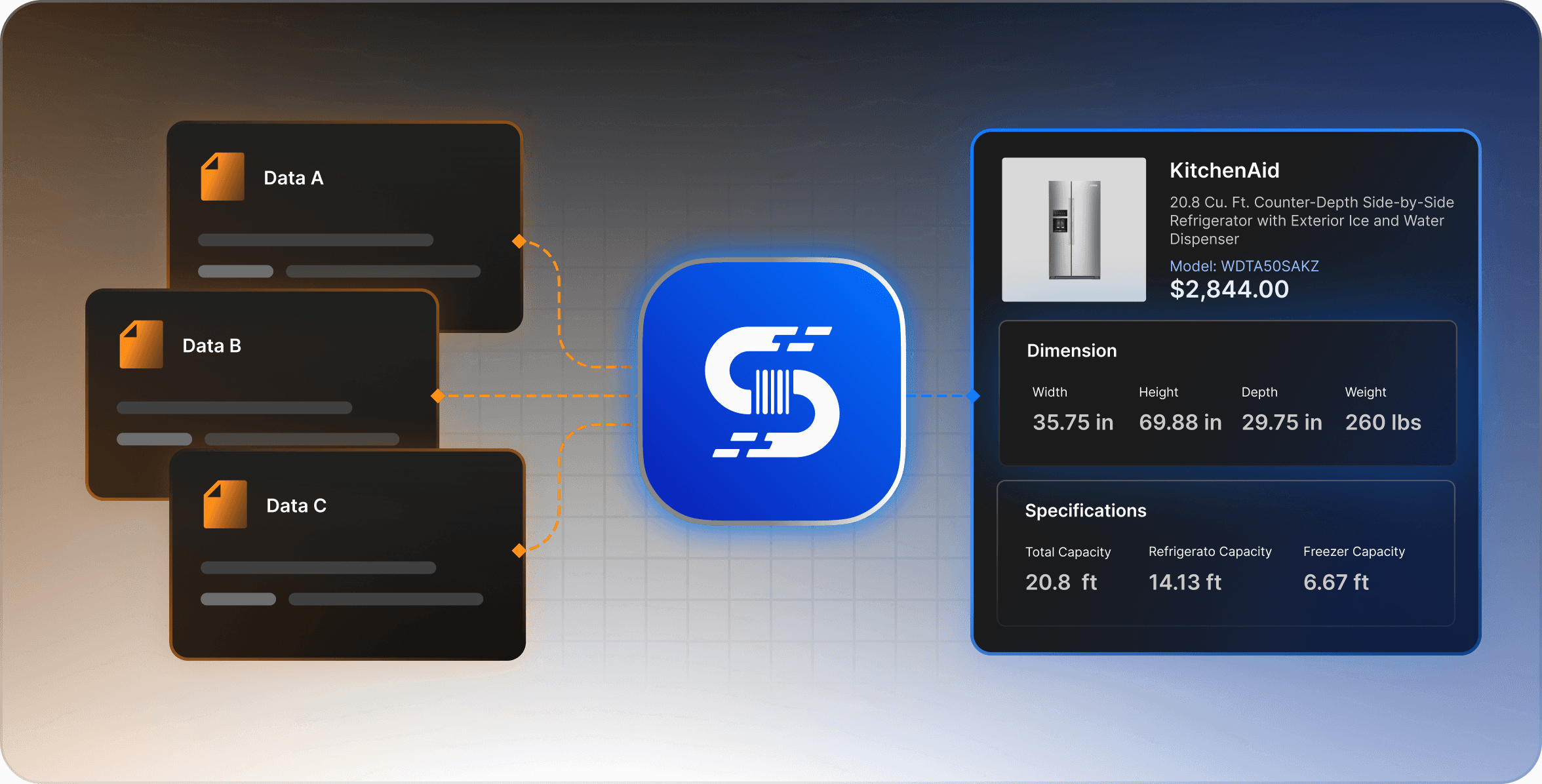
Making the right purchasing decision starts with having the right information. If important details such as dimensions, installation requirements, or product specifications are incomplete or inconsistent, customers are forced to make assumptions. Those assumptions often lead to appliances that don’t fit, aren’t compatible with the home, or simply don’t meet expectations.
Structured appliance product data organizes dimensions, specifications, and installation requirements into standardized fields, making it easier for retailers to display accurate and consistent product information across every sales channel.
Complete and Consistent Dimension Data
One incorrect measurement is all it takes to turn a successful sale into an expensive return. Customers need more than a single “Height × Width × Depth” measurement to determine whether an appliance will fit their home.
Instead of combining measurements into a single line of text, structured dimension data separates critical measurements into dedicated fields, including product dimensions, cabinet cutout requirements, door clearance, and utility specifications. Rather than searching through installation manuals or manufacturer PDFs, customers and sales associates can quickly verify whether an appliance fits the available space before placing an order.
Providing this level of detail helps reduce preventable returns caused by sizing or installation issues.
Structured Product Data Across Every Sales Channel
Customers expect the same product information whether they’re shopping online, visiting your showroom, or speaking with a sales representative. Inconsistent specifications across sales channels create confusion and increase the risk of purchasing the wrong appliance.
Structured product data keeps your website, point of sale (POS) system, and other customer touchpoints synchronized using a single source of truth. Everyone, from customers to sales associates, works from a single, consistent source of product data, making it easier to answer questions and recommend the right appliance.
A Single Source for Appliance Product Data
Keeping product information accurate isn’t a one-time task. Manufacturers regularly update specifications, installation requirements, and product documentation. As appliance catalogs grow, it becomes increasingly difficult to ensure every sales channel reflects the latest information.
A centralized product catalog automatically synchronizes those updates, ensuring your website, POS system, and sales team all reference the same up-to-date product information. With fewer outdated specifications and inconsistent listings, retailers can help customers make more informed purchasing decisions and reduce preventable returns.
Reduce Preventable Appliance Returns with Skulytics
Shipping damage and manufacturing defects will occur from time to time. That said, returns caused by inaccurate measurements, missing technical specifications, or outdated product information can often be reduced before a customer completes a purchase.
Skulytics provides structured appliance product data for more than 300 appliance brands, helping retailers maintain accurate dimensions, installation guides, specifications, images, and product documentation across their websites and point-of-sale systems.
With reliable product data, your business can:
Help customers verify fit and installation requirements before they buy.
Keep the product catalog consistent across all sales channels.
Reduce the time spent maintaining product catalogs manually.
Improve customer confidence while reducing preventable appliance returns.
Ready to improve your product catalog accuracy and consistency? Explore the Skulytics Product Catalog API or contact our team to learn how Skulytics can support your business.


