
What Skulytics Does
Skulytics is a white-label product data API for retail software platforms. Point of sale systems, ecommerce platforms, ERP vendors, and catalog tools integrate once and receive normalized product data from over 400 appliance, furniture, and mattress brands through a single REST endpoint. Specifications, assets, documents, certifications, pricing, and inventory arrive in one canonical schema, so a platform maps fields once rather than once per manufacturer.

Access is governed by Brand Authorization. Every data point is either public, available to anyone using the API, or authorization-required, delivered only to partners the manufacturer has cleared. Manufacturers can also fund API access for retailers in their network, so dealers work from official specifications at no cost to themselves. Skulytics operates as infrastructure rather than a marketplace. It does not list products for sale and does not sell to a manufacturer's retailers.
Connect once. Every brand your retailers carry becomes available through your platform.




Where Platform Teams Get Stuck
The Product Data Trap
Every retail software platform eventually falls into the same cycle. Not because of bad engineering, but because manufacturer data is fundamentally inconsistent and there is no standard.
Poor data quality costs
Poor data quality costs organizations an average of $12.9 million a year. Bad data in your platform means bad outcomes for your retailers, and that liability flows upstream.
Source: Gartner, Magic Quadrant for Data Quality Solutions, 2020

Stale Data
71% of organizations say it takes at least three weeks to bring a single integration to market. At three weeks per brand, a full catalog is not a sprint. It is a headcount problem.
According to Merge

Every manufacturer sends data in a different format.
Field names, units, data types, delimiters, and attributes are inconsistent across brands.
Formats change without notice.
A brand updates their feed structure, your parser breaks, your retailers' product pages go dark, and you find out when a customer calls.
Entitlements differ by retailer.
Whether a retailer can see buying group rebate data or distributor inventory depends on their memberships and their credentials. Managing that in application logic is fragile and does not scale.
Every new brand is a new integration project.
Adding a brand means assigning an engineer, writing parsing logic, mapping fields, testing edge cases, then maintaining it indefinitely.
Without vs With Skulytics Flow
Drag the handle left or right to reveal the same flow before and after Skulytics.
Your Backend Data Layer
You Integrate Once. We Operate the Rest.
Skulytics ingests, normalizes, monitors, and structures manufacturer data from every brand in the catalog and delivers it through one REST API. When a brand changes their feed, we absorb it. Your integration does not move.

What You Get
One integration across every brand. No per-brand field mapping in your application.
Real-time updates at the source. When manufacturers push changes, Skulytics processes and propagates them.
No brand-specific conditional logic. Entitlements and access rules resolve at the API layer before delivery, so your codebase stays clean.
No broken feed firefighting. We monitor every manufacturer connection. When something changes upstream, we fix it.
Webhook support for event-driven sync. Subscribe to catalog change events instead of polling.
What your team stops doing
Writing and maintaining brand-specific parsers
Monitoring manufacturer feeds for format changes
Building entitlement logic into your application layer
Negotiating data access with each manufacturer individually
Hotfixing broken feeds when a retailer calls support
We provide the data layer. You ship the product.

Catalog Scale
400+
brands via one API
630,000+
active SKUs
Your Platform. Your Brand.
We're Infrastructure. You're the Product.
Skulytics operates behind your platform. Your retailers see your product, your brand, your relationship. We are invisible by design.

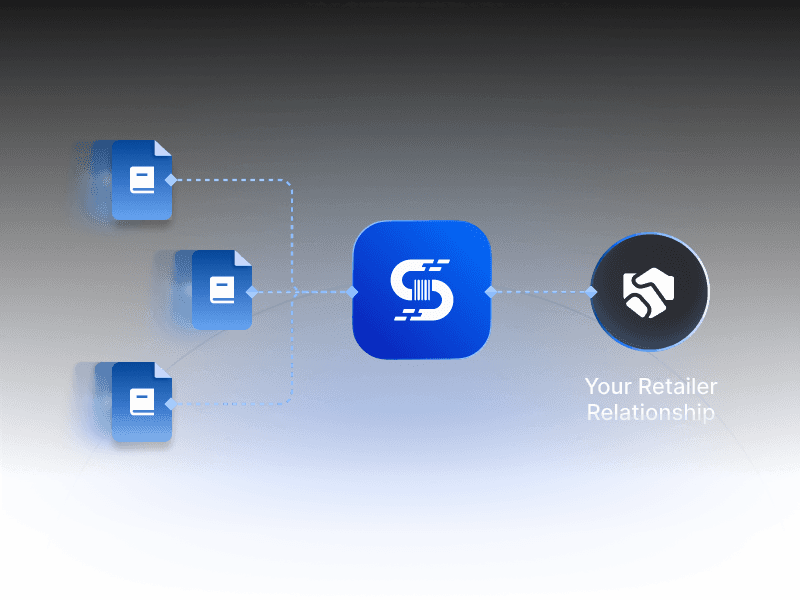


Your retailers only ever interact with layer one. Skulytics operates entirely in layer two.

Reliable by Architecture
Production-Ready in One Sprint
The architecture is designed for speed of integration and long-term stability.


185ms
Median response time, filtered requests: 185ms (product endpoint, July 2026). Requests without parameters or filters are slower, since the API processes a broader dataset.
Whether you support 10 retailers or 5,000, the architecture scales with your platform. No re-engineering as your customer base grows.
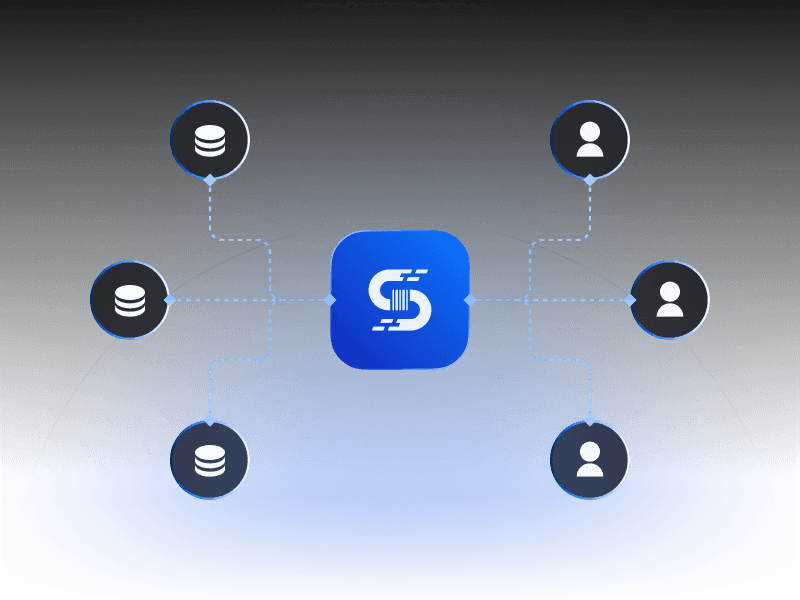
What a Managed Data Layer Unlocks
Stop Building the Data Layer.
Start Building Differentiated Features.
When product data is normalized, structured, and always current, your engineering time goes toward what actually differentiates your platform.
Dynamic Pricing and Quoting
Accurate weights, dimensions, dealer net, rebates, and logistics data delivered in real time. Build quoting engines that reflect current pricing without manual refreshes or stale caches.
Event Driven Catalog Sync
Subscribe to catalog change events. When a manufacturer updates a price, spec, or lifecycle flag, your platform receives a webhook within seconds. Eliminate scheduled jobs and polling overhead.
Skulytics is not a data feed. It is the layer that makes these features possible.
