June 24, 2026
The Challenge of Product Data Management and How to Fix It

Chris Johnson
CEO
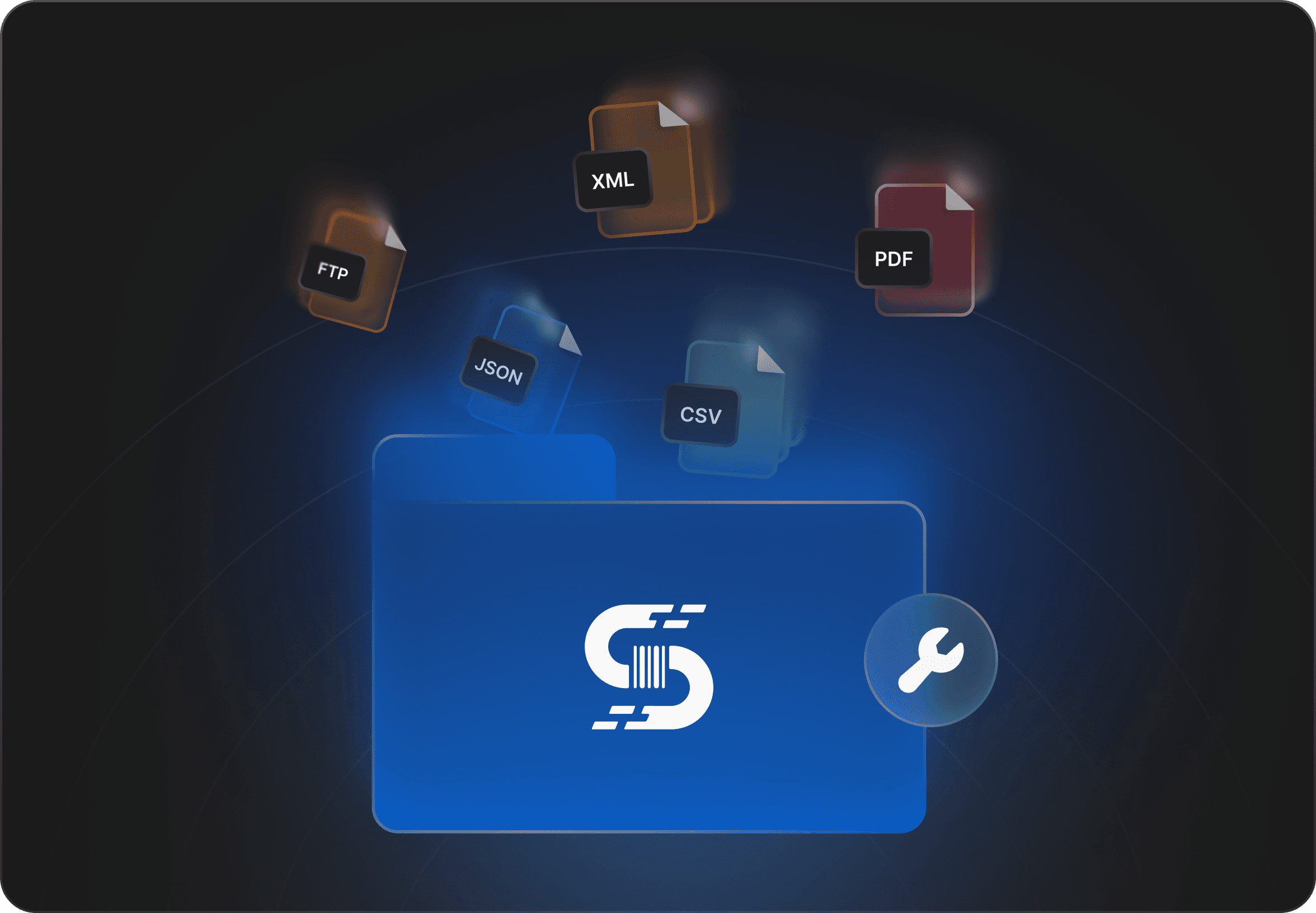
Product feed management rarely stays simple for long. For retail software platforms, ERP providers, and POS vendors, supporting a few manufacturers may be manageable, but complexity grows quickly as more brands, products, and data requirements are added.
Varying data structures, inconsistent attributes, authorization rules, and frequent catalog updates often require retail software platforms to dedicate substantial time to product data maintenance. Those demands divert engineering resources from developing new features to managing and troubleshooting feeds.
Many platforms use spreadsheets, scrapers, and custom integrations to manage this complexity. However, these methods often introduce operational bottlenecks, increase maintenance demands, and become harder to scale.
Efficient product data management requires a structured approach. Centralizing product data, enabling real-time updates, and implementing data governance help reduce maintenance and ensure information remains accurate.
Product Feed Management Becomes Difficult
Product data is relatively easy to manage when a platform supports only a small number of manufacturers. The challenge begins when new brands, categories, and product feeds are added over time.
Supporting additional manufacturers introduces more data sources, product categories, and update requirements. As product data grows in volume and variety, maintaining consistency across the catalog becomes increasingly difficult. What was once a simple task can become a complex process requiring dedicated resources.
Different Data Structures
Manufacturers rarely structure product data the same way. One brand may use different attribute names, product categories, or specification formats than another. Even product images and descriptions can vary significantly across manufacturers. Retail software platforms must spend extra time mapping, standardizing, and organizing this information for consistent use.
Product Catalog Complexity
Growth creates its own challenges. What starts as a few hundred products can eventually become thousands of SKUs spread across multiple manufacturers and categories.
In addition to catalog size, platforms must manage ongoing changes. The effort required to manage product data also increases as manufacturers frequently introduce new products, discontinue models, update specifications, and modify product information.
The Cost of Product Feed Management
Product feed management affects how retail software platforms allocate time and resources. As data requirements grow, engineering teams may spend more time maintaining feeds, leaving fewer resources for feature development and product improvements.
Manual Product Feed Management
Many retail software platforms still rely on manually managed product feed data. While these methods may work initially, they become increasingly difficult to maintain as data requirements grow. Manual management increases the risk of errors, duplicate work, and inconsistent information.
Constant Maintenance
Businesses often use scrapers and custom integrations to collect product information. As manufacturer websites and data structures change, these integrations may break, requiring ongoing monitoring, updates, and troubleshooting to keep information current.
Authorization Rules
Product data management also includes manufacturer authorization requirements governing access to specific product information, as well as the maintenance of specifications, images, and descriptions. Rules for MAP pricing, dealer permissions, and restricted data add complexity to feed management. Without a structured approach, platforms face greater administrative workload and compliance risk.
What Is Needed
Retail software platforms need a more scalable approach to product data management. These platforms require infrastructure that can support accuracy, consistency, and long-term growth. The goal is not simply to collect product data. Platforms need a reliable way to manage updates, maintain data quality, and ensure the right information is available to the right users at the right time.
A Single Source of Product Data
Product data often comes from multiple manufacturers, distributors, and suppliers. A centralized source of information is needed to help eliminate duplicate processes and reduce the need to manage multiple feeds independently.
Real-Time Product Data Updates
Product information changes constantly. New products are introduced, specifications are updated, inventory availability shifts, and older models are discontinued. Real-time updates help ensure that product information remains current without requiring constant manual intervention. Retail software platforms can deliver more accurate product data while reducing the operational burden of ongoing catalog maintenance.
Built-In Data Governance and Compliance
Managing product data involves more than maintaining accurate specifications and images. Retail software platforms must also account for authorization requirements, pricing restrictions, and access controls established by manufacturers and other data providers. Built-in governance and compliance capabilities help ensure product information is managed in accordance with established rules and permissions.
How Skulytics Solves Product Data Management Challenges

Modern retail software platforms, ERP providers, and POS vendors require reliable product data infrastructure to support growth, maintain accuracy, and manage increasingly complex catalogs. Skulytics was built to address these challenges through a normalized, authorization-aware product data API.
Access Hundreds of Brands
Each brand may have its own format, update process, and data structure, creating additional complexity as platforms expand. Skulytics simplifies this process through a single API that provides access to hundreds of appliance, furniture, and mattress brands. Instead of maintaining separate integrations, retail software platforms can rely on a single, connected product data infrastructure.
Consistent Product Data
Differences in manufacturer formats often require retail software platforms to spend time mapping and standardizing information before it can be used effectively. Skulytics normalizes product data into a structured format, helping platforms work with consistent attributes, specifications, and product information across brands. This process reduces the need for brand-specific logic and simplifies catalog management.
Real-Time Catalog Updates
Skulytics supports real-time catalog updates, enabling platforms to receive up-to-date product information as changes occur. This feature helps reduce manual maintenance while keeping product information current across the platform.
Reduce Compliance and Authorization Risks
Managing authorization requirements related to pricing visibility, dealer permissions, and restricted manufacturer information manually can increase administrative complexity and compliance risk. Skulytics is designed with authorization-aware data controls that help platforms manage access to product information based on established rules and permissions. This approach helps reduce the risk of exposing restricted data while supporting compliance requirements.
Focus on Building Product Features
Product data infrastructure plays a critical role in how retail software platforms scale. The right foundation can help teams manage product data without introducing unnecessary operational complexity.
For retail software platforms, ERP providers, and POS vendors evaluating their current product data strategy, Skulytics offers a structured, authorization-aware API specifically designed for appliance, furniture, and mattress retail. Explore pricing options or contact the team to discuss how Skulytics can support your platform.
