May 18, 2026
MAP Pricing Software: Stop Monitoring Violations and Start Preventing Them

Chris Johnson
CEO
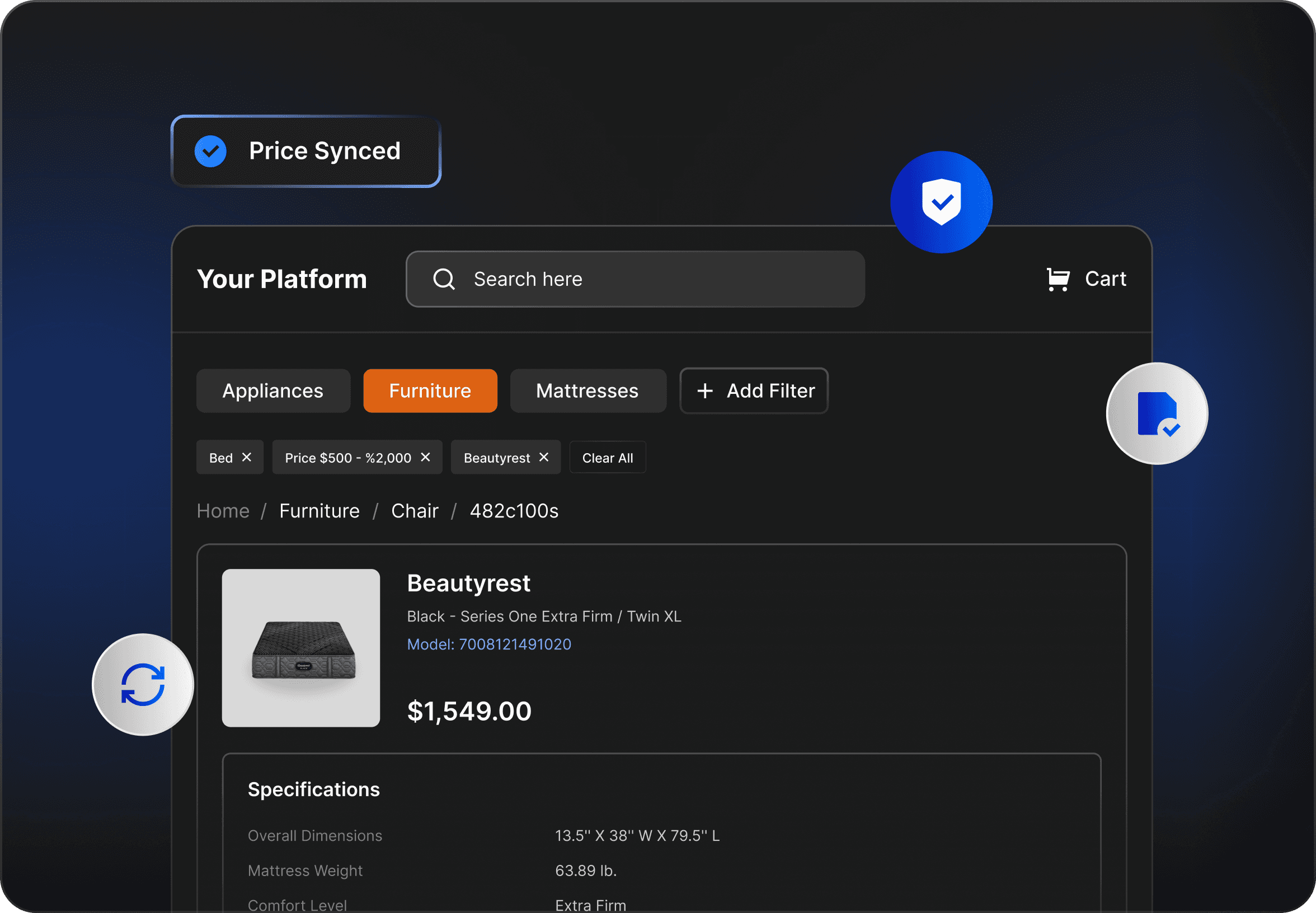
If you carry fifty brands in your showroom and another hundred in your online catalog, you already know what MAP compliance management really looks like in practice. It looks like a spreadsheet. Probably several of them. Updated by hand. Shared across a team that has seventeen other things to do this week.
And somewhere in that process, a price slips through. Not because your team is careless. Because the system was never designed to keep up with the volume and pace of modern retail pricing.
The category of MAP pricing software exists to solve this problem. But most of it only solves part of it, and the gap is costing retailers dealer authorizations they cannot afford to lose. Skulytics is built specifically to close that gap: a real-time Product Data API that pushes MAP-compliant prices to your storefront automatically, before a violation can happen.
This article explains what MAP monitoring tools actually do, where they fall short, and what real compliance requires.
What MAP Pricing Software Is Supposed to Do
MAP stands for Minimum Advertised Price. It is the floor price a manufacturer sets for authorized retailers to use in their advertising and storefronts. If you carry Bosch appliances and your dealer agreement includes a MAP policy, you are contractually prohibited from advertising that dishwasher below a specific price point.
The consequences of violations are serious. Manufacturers can issue warnings, reduce allocations, and ultimately revoke dealer authorization. For an independent appliance dealer whose livelihood depends on access to top brands, losing authorization is not a minor compliance issue.
MAP monitoring tools address this by scanning public listings across your storefront, marketplace channels, and sometimes competitor sites. When a product appears below its MAP threshold, the software fires an alert. The idea is to catch violations quickly so you can correct them before enforcement action occurs.
That is the category. And for what it does, it does it reasonably well. The problem is what it cannot do.
Why Managing MAP Manually Falls Apart
The number of moving parts in MAP management scales faster than most retailers expect. A mid-size appliance dealer might carry products from 80 to 120 brands. Each brand sets its own MAP policies. Those policies change for Black Friday, Memorial Day, Labor Day, and a rotating calendar of manufacturer promotions and rebate windows.
A spreadsheet that accurately reflects MAP for every SKU on a Monday morning is often wrong by Thursday afternoon. Someone updated a row incorrectly. A promotional window ended and the reinstatement date was missed. A new model was added to the catalog but not to the tracking file.
This is not a people problem. It is a structural one. The number of SKUs, the frequency of policy changes, and the manual nature of the update process combine to make errors close to inevitable at scale. Research from Marketing Science found that even among authorized retailers, those with explicit dealer agreements and a direct relationship with the manufacturer, 15% violate MAP policies on an ongoing basis (Israeli, Anderson & Coughlan, 2016). Among unauthorized sellers, that figure rises to 53%. MAP compliance monitoring software was built to catch those errors. The question is whether catching them is the same as preventing them.
The Hidden Cost of Promotional Windows
Promotional pricing windows are where MAP violations cluster most heavily. Here is why.
A manufacturer like Whirlpool drops MAP on a specific refrigerator model for a four-day event. The retailer updates their POS and storefront accordingly. The event ends. The manufacturer reinstates the original MAP. But the retailer's system still has the promotional price active.
That gap between the promotional period ending and the retailer correcting their price is the highest-risk window for enforcement action. And it is exactly the scenario that manual MAP management handles worst. The reinstatement is easy to miss. The correction requires a deliberate action to trigger.
The Alert-and-Fix Problem With MAP Monitoring Software
Here is the core limitation of the MAP violation software category that no one in the space talks about openly.
The alert is not the fix.
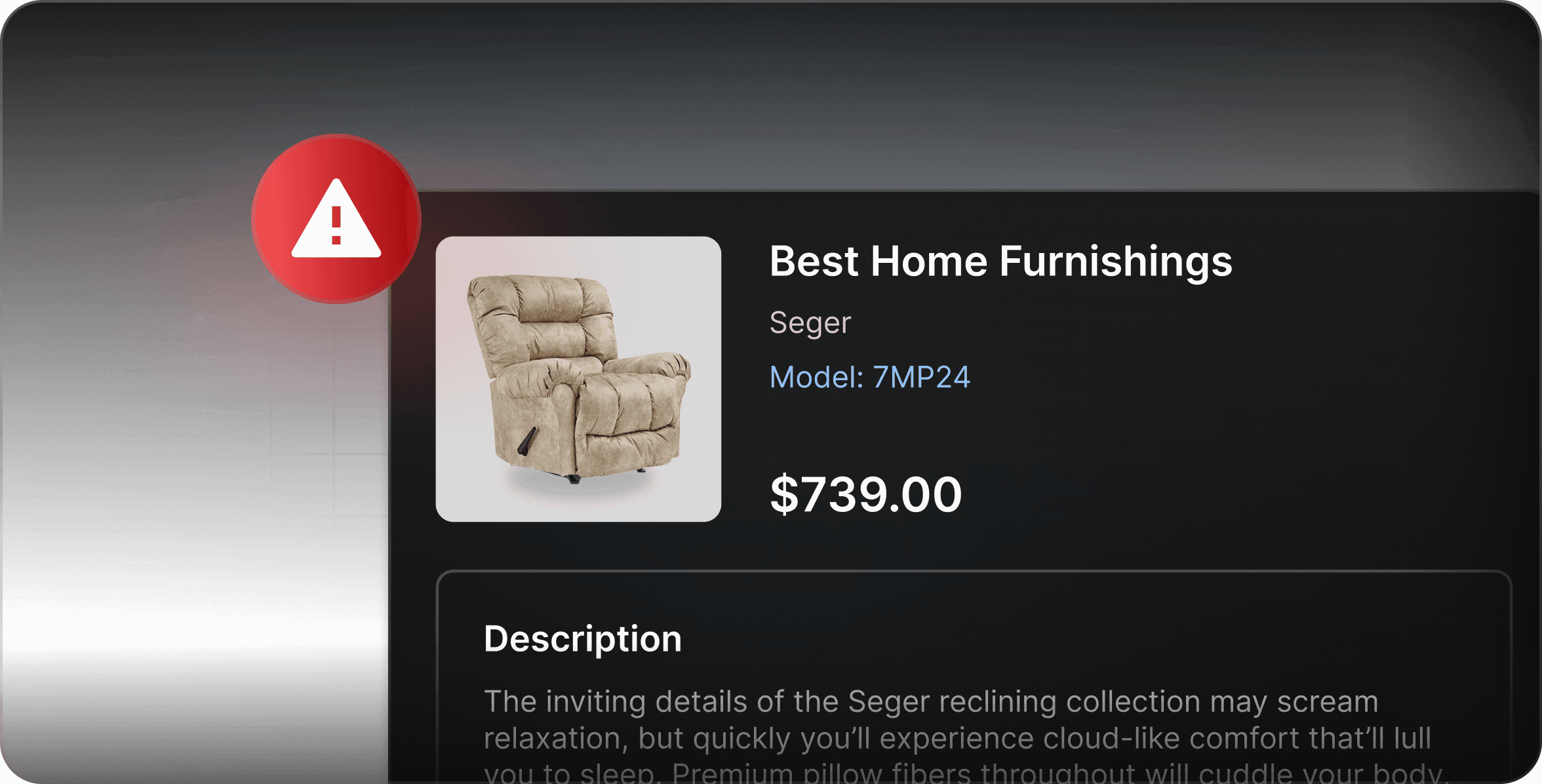
When your MAP monitoring tool sends you a notification that a SKU is listed below threshold, you have received information. You have not resolved the violation. What happens next is entirely manual: you or a team member logs into your POS system or e-commerce platform, locates the affected product, corrects the price, and confirms the change has propagated across all your channels.
For a retailer with thousands of SKUs spread across a Shopify storefront and a separate POS system, that correction workflow takes time. That time might be ten minutes on a slow afternoon. During peak season, it might stretch to several hours. Violations cluster precisely when promotional windows are overlapping and your team is stretched the thinnest.
During all of that time, the violation is live.
What Happens in the Window Between Alert and Fix
This is the part that should concern any retailer operating under an active MAP policy.
Major manufacturers run their own monitoring software. Their enforcement teams are watching the same listings you are. The window between when a violation occurs and when it is corrected is exactly when those teams capture screenshots, timestamp incidents, and initiate enforcement documentation.
You may act on an alert within the hour. The manufacturer may have documented the violation within minutes. An alert system that tells you about a violation after it has occurred does not protect you from enforcement. It tells you something that may already be in a manufacturer's enforcement log.
MAP policy enforcement requires speed that the alert-and-fix model structurally cannot provide.
What Compliant MAP Management Actually Requires
If the alert-and-fix model has a fundamental ceiling, what does the alternative look like?
The root cause of most MAP violations is not slow detection. It is that the price in a retailer's system was wrong before it ever went live. The number was entered manually, from a spreadsheet, by a person working from a data source that was already slightly out of date. No monitoring tool changes that. Monitoring just measures the damage.
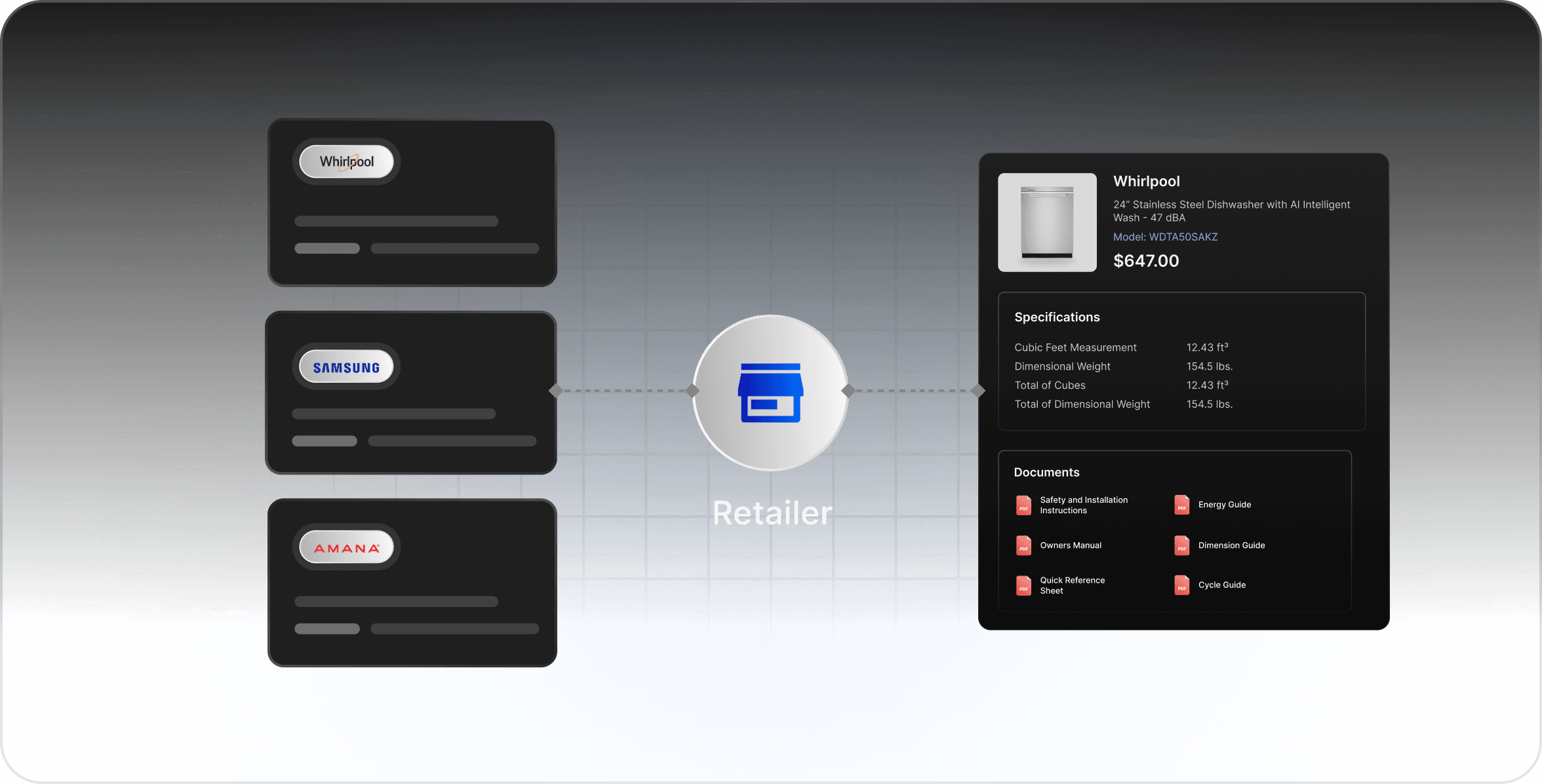
What actually solves the problem is ensuring the price in your storefront is always correct to begin with. That requires the pricing system to be connected to an authoritative, live source of brand pricing data, not populated manually from static spreadsheets. Skulytics handles this by maintaining a direct data connection to brand pricing feeds and syncing changes to your storefront the moment manufacturers update their policies.
This is a fundamentally different architecture. Instead of: brand publishes MAP, retailer manually updates spreadsheet, someone populates POS from spreadsheet, monitoring tool detects error, retailer manually corrects. The flow becomes: brand updates MAP, data feed updates automatically, POS and storefront reflect the correct price before any listing goes live.
Ecommerce MAP monitoring built on this model does not wait for a violation to detect. It removes the conditions that produce the violation in the first place.
How Skulytics Prevents MAP Violations Before They Happen
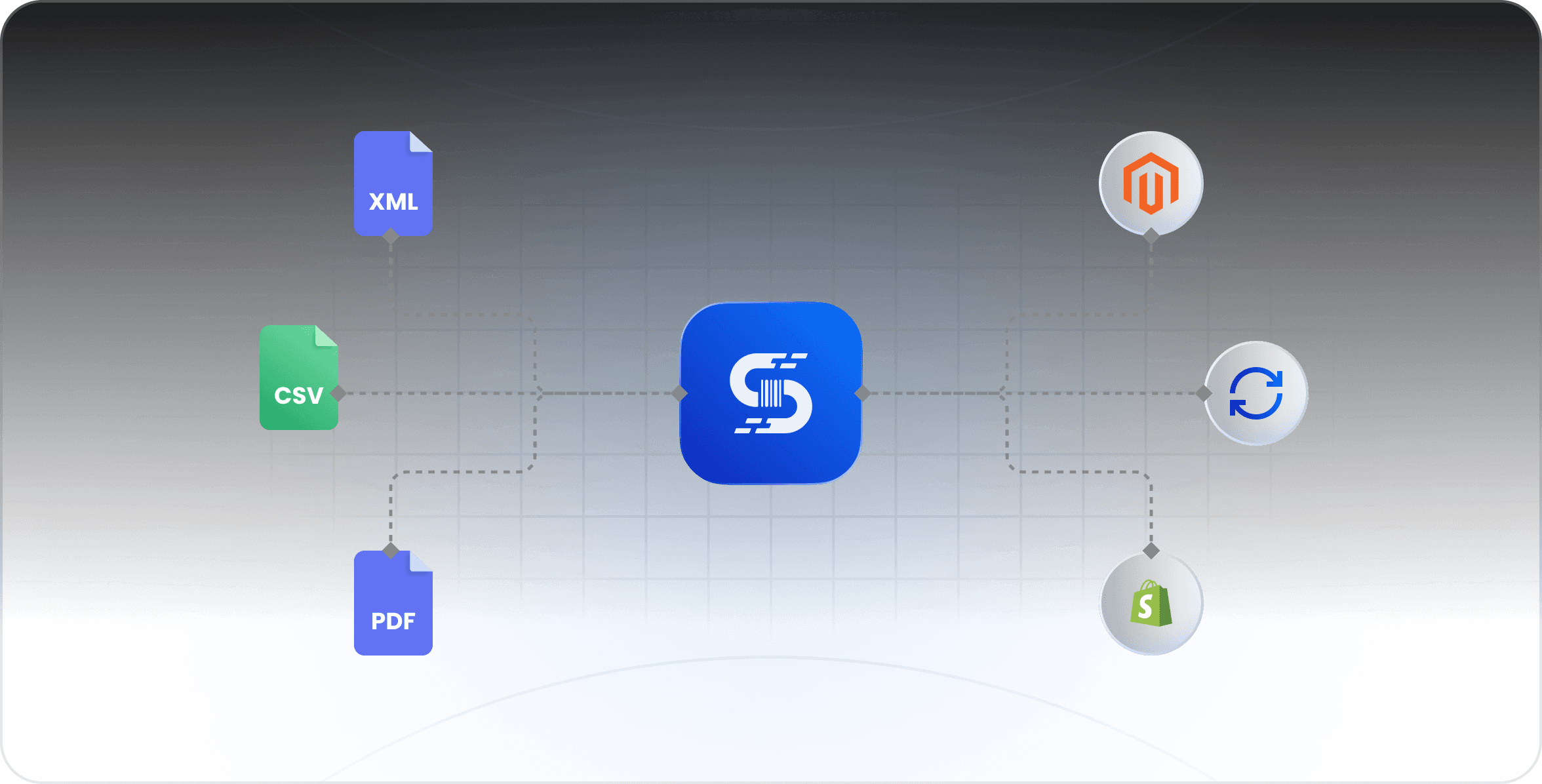
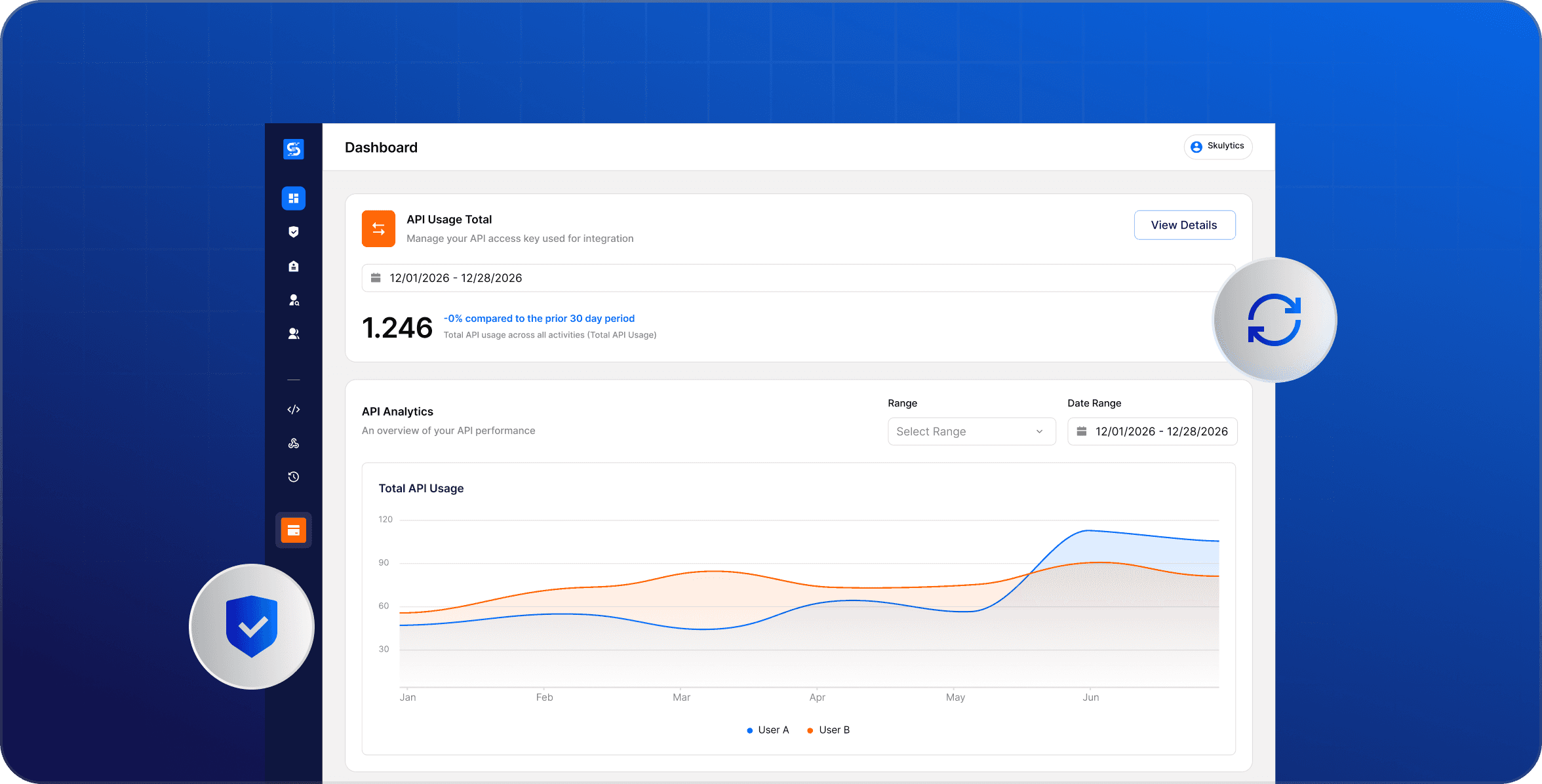
Skulytics is a real-time Product Data API built for exactly this architecture. Rather than scanning your storefront and alerting you to violations after the fact, Skulytics connects directly to brand data sources and pushes the current, MAP-compliant price to your Shopify store, Magento catalog, or POS system automatically.
When a brand updates their MAP schedule, whether to open a promotional window or reinstate the standard price after one closes, that change flows through Skulytics to your storefront before any listing goes live at the wrong price. The correction does not require a human to receive an alert, log into a system, and manually update a record. It happens in the data layer, where the problem actually originates.
For appliance retailers managing catalogs that span brands like Whirlpool, GE, and Sub-Zero, this means the promotional reinstatement scenario that generates so many violations simply stops being a risk. The reinstatement is reflected in your prices at the same time the manufacturer updates their policy, not hours or days later when someone gets around to correcting a spreadsheet.
The Difference Between Monitoring and Prevention
MAP monitoring software watches your storefront and tells you when a price is wrong. Skulytics ensures the price your storefront has is always right.
One reacts. The other removes the failure mode.
A useful analogy: you would not install a carbon monoxide detector instead of fixing a gas leak. The detector has value. But the detector does not make the building safe. Fixing the leak does. Minimum advertised price monitoring software is the detector. Skulytics is the fix.
Key insight: MAP violations do not happen because retailers lack alerts. They happen because prices are entered manually into systems that drift out of sync with brand policies. The solution is not faster notifications. It is ensuring the price is correct before it ever goes live.
What to Look for in MAP Pricing Software Beyond Alerts
If you are evaluating MAP pricing software, the questions worth asking go further than alert speed and monitoring coverage. Here is what to look for:
Does it correct prices automatically, or only alert? If the answer is alert-only, understand the correction workflow you are committing to for every violation.
Does it integrate directly with your POS and e-commerce platform? Monitoring tools that sit outside your pricing systems require a manual bridge to actually fix anything.
Where does the price data come from? Tools that scrape public listings are reactive by definition. Tools that pull from brand data sources can be proactive.
How quickly does a price update when a brand changes their MAP schedule? For promotional windows and reinstatements specifically, this is the highest-risk moment.
Can it handle promotional windows and reinstatements automatically? This is the scenario that manual systems and alert-only tools handle worst. It should be a direct evaluation criterion.
The minimum advertised price monitoring software category is growing, but most tools in it share the same architecture: detect and notify. If your compliance requirement is prevention rather than documentation, that architecture has a ceiling.
Stop Paying for Alerts. Start Preventing Violations.
MAP monitoring software is a category built around a reactive model. It assumes violations will happen and tries to shorten the window. That assumption is built into the architecture, and it is worth questioning before you commit to another subscription for a tool that sends you notifications you still have to act on manually.
Retailers who want MAP compliance, not MAP awareness, need their storefront connected to the same data their brands are updating. That is what Skulytics does. Connect your catalog to real-time brand pricing data and stop managing MAP the way you have always managed it.
