July 7, 2026
How Healthy Is Your Appliance Product Data? Answer These 5 Questions to Find Out

Chris Johnson
CEO

Product data issues rarely appear overnight. They often develop gradually through disconnected processes and inconsistent data management practices.
By the time those issues become visible, they may already be affecting daily operations. Store teams may rely on outdated product information, customers may see incorrect dimensions or installation requirements, or discontinued models may remain available for purchase across different sales channels.
The challenge is that these problems rarely happen in isolation. More often, they’re symptoms of weaknesses in the underlying product data management process.
A simple way to evaluate the health of your appliance product data is to ask the right questions. The five questions below can help identify hidden weaknesses in your current product data management process before they lead to larger problems.
1. Do You Have a Single Source of Truth for Your Product Data?

Healthy product data starts with a trusted source. If different teams, systems, or files provide different versions of the same product, maintaining an accurate catalog becomes much more difficult. Here’s the first question: Do you have a single source of truth for your product data?
If NO
Without a single source of truth, different teams may rely on different versions of the same product information. One spreadsheet may contain updated specifications while another still shows outdated dimensions or discontinued models. As a result, teams spend more time comparing product records, correcting inconsistencies, and keeping catalogs aligned.
If YES
A centralized source of product data gives every team access to the same accurate and up-to-date information. Instead of spending time confirming which version is correct, teams can focus on selling products, supporting customers, and managing daily operations.
Why This Question Matters?
A single source of truth gives every team a shared foundation for managing product information. Without it, even small inconsistencies can spread across multiple systems and become larger operational problems.
2. When Was the Last Time You Audited Your Live Product Data?
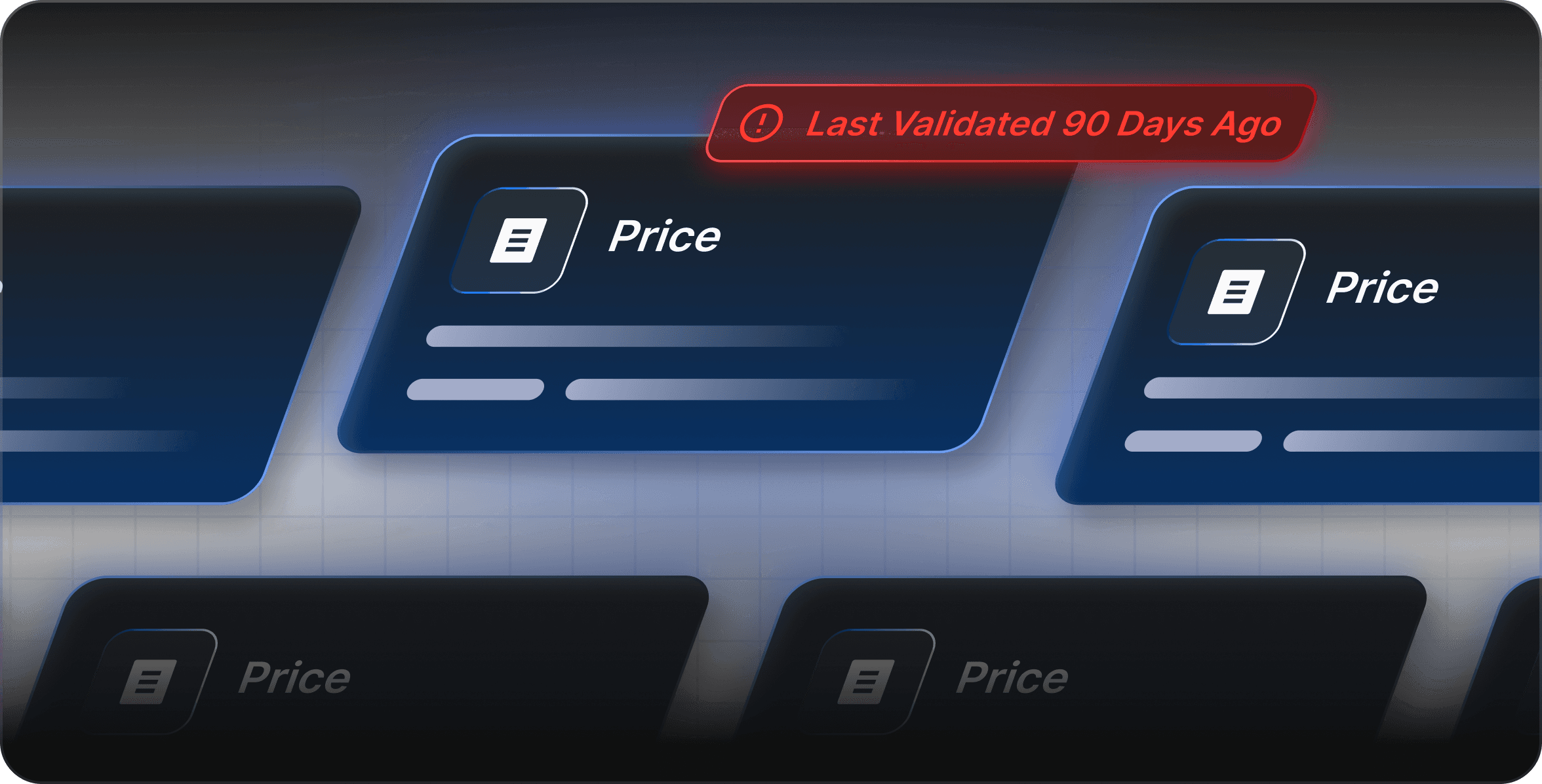
Even healthy product data needs regular checkups. Product data issues don’t always announce themselves immediately. Small inconsistencies can remain unnoticed until someone deliberately looks for them. Now consider this: When was the last time you audited your live product data?
If You Rarely or Never Audit Your Product Data
Without regular audits, retailers may assume their product data is accurate simply because no obvious problems have been reported. Small inconsistencies can remain hidden for long periods, making them more difficult to identify and resolve once they eventually surface. By then, those issues may already be creating additional work for store teams, customer service, and other daily operations.
If You Audit Regularly
Regular audits provide an opportunity to confirm that published product data still reflects internal standards. They also help retailers identify small inconsistencies before they become larger issues that require widespread corrections.
Why This Question Matters
Trusting your product data isn’t enough. You need a way to verify it. Regular audits shift the focus from reacting to problems toward preventing them.
3. Who Makes Sure Your Product Data Stays Accurate?

Publishing product information doesn’t guarantee its accuracy. Published product data still needs to be reviewed and validated over time. Without a clear process, mistakes can remain unnoticed for weeks or even months. Can you clearly identify who is responsible for keeping your published product data accurate?
If No One Checks It
When no one is responsible for validating published product data, inaccuracies can remain in the catalog long after they should have been corrected. Some businesses rely on individual employees to identify and fix errors as they appear, while others assume product information remains accurate unless customers or employees report a problem. Without clear ownership and a repeatable validation process, maintaining accurate product data becomes a continuous challenge.
If a Trusted Source Maintains Your Product Data
Retailers don't always need to validate every product update themselves. A trusted product data provider can maintain and validate product information before it reaches retail channels, helping to keep it accurate, standardized, and up to date. By validating product data upstream, retailers can significantly reduce the need for manual checks after product information goes live.
Why This Question Matters?
Long-term product data quality depends on repeatable processes rather than individual knowledge. Whether product data is validated internally or provided by a trusted source, retailers need a reliable process that keeps product information accurate over time, not just at the moment it is published.
4. Do You Solve Product Data Errors at the Source?

Finding a product data error is often the easy part. The bigger challenge is making sure the same error doesn’t happen again. Some product data issues are isolated mistakes, while others are symptoms of weaknesses in the product data management process. When product data errors occur, do you fix the error or do you fix what’s causing it?
If You Only Fix the Visible Error
Correcting only the visible product data error may temporarily resolve the issue, but the underlying cause remains unchanged. The same inaccurate specifications, product descriptions, or other product information can reappear throughout the catalog, requiring repeated corrections. Repeated manual corrections consume valuable time while increasing the risk of inconsistent product information across customer touchpoints.
If You Fix the Root Cause
Identifying and correcting the source of a product data error helps prevent the same issue from recurring. Rather than repeatedly correcting individual products, retailers eliminate the underlying cause so accurate product information remains consistent throughout the catalog. Fixing the root cause reduces repetitive manual work and breaks the cycle of recurring product data issues.
Why This Question Matters?
Recurring product data errors often indicate weaknesses in the product data management process rather than isolated mistakes. This question helps retailers evaluate whether their current processes are designed to systematically identify, resolve, and prevent recurring issues.
5. How Quickly Do Product Updates Reach Every Retail Channel?
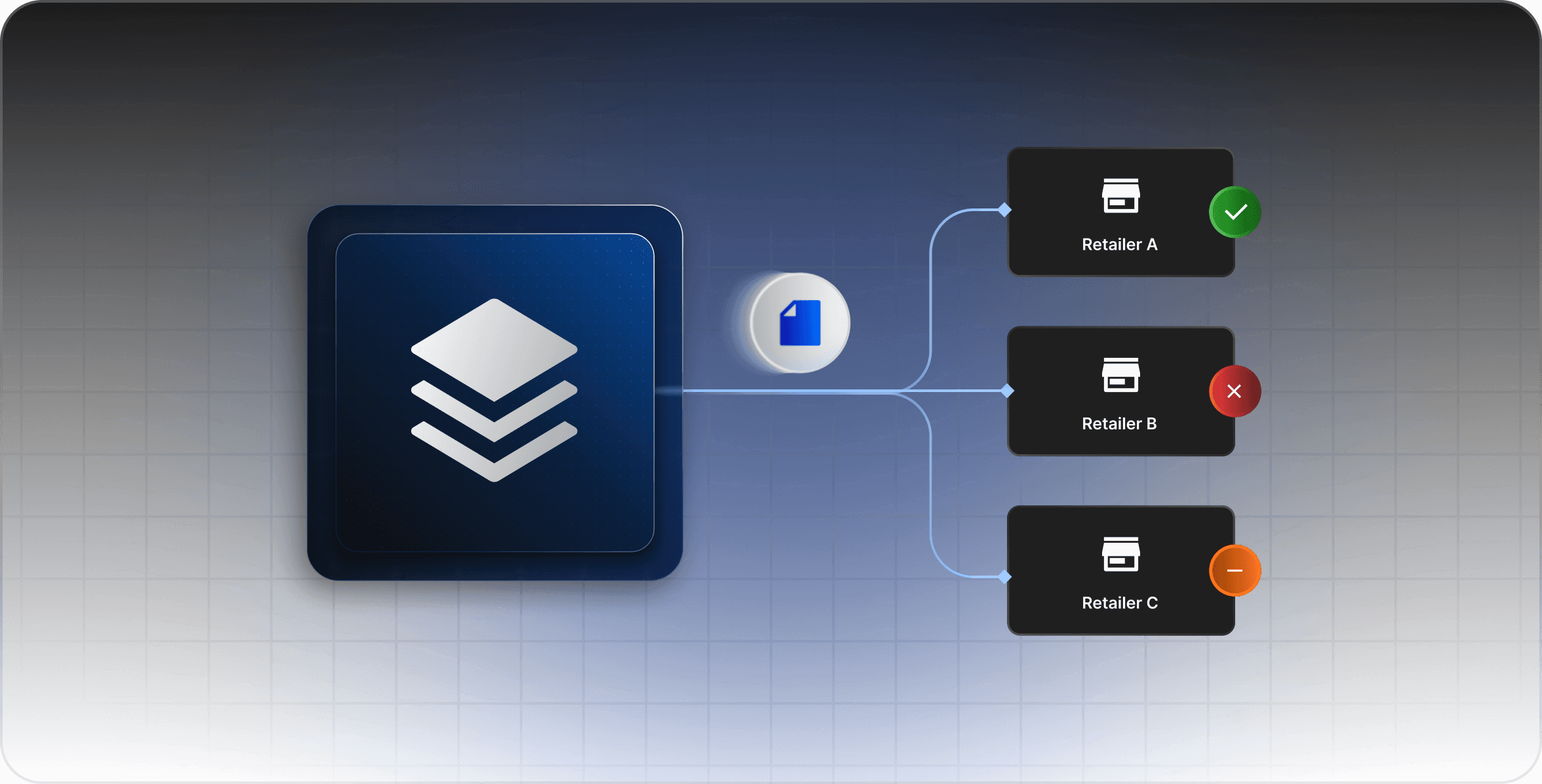
Receiving product updates is only half the job. The real challenge is keeping product information synchronized across all sales channels. Think about the last product update your business received. How long did it take for every sales channel to display the change?
If Updates Take Too Long
Delayed product updates can leave websites, POS systems, marketplaces, and other retail channels displaying outdated information long after manufacturers have made changes. Customers may encounter outdated dimensions, missing installation requirements, incorrect warranty information, or products that are no longer available. Store teams may also spend additional time manually correcting product information across multiple systems, increasing operational effort and the risk of human error.
If Updates Reach Every Channel Quickly
When product updates are synchronized quickly across customer-facing systems, customers and store teams always have access to the latest product information. Every sales channel displays the same accurate product data, reducing manual corrections while providing customers with a more consistent shopping experience.
Why This Question Matters?
Even accurate product data quickly loses its value when updates don’t reach connected systems in time. The faster product updates are delivered, the easier it becomes to maintain a consistent catalog and deliver a better customer experience.
Strengthen Your Product Data Foundation
You have just completed a five-question health check for your appliance product data. Now it’s time to look at the results.
If most of your answers were “Yes,” your product data management process already has a strong foundation. If you answered “No” to several of these questions, the health check has probably revealed gaps in your current product data management process. Those gaps often lead to unnecessary manual work, inconsistent product information, and operational issues that become more difficult to resolve as your catalog grows.
Fortunately, businesses don’t have to solve every product data challenge on their own. Retailers across appliance, furniture, and mattress can work with a trusted product data provider. Product information from multiple manufacturers is collected, standardized, and maintained in a centralized database of thousands of SKUs.
Skulytics provides standardized product data for more than 300 authorized appliances, furniture, and mattresses. With a single API and real-time updates, retailers always have access to accurate, up-to-date product information. With a trusted product data source handling catalog maintenance, retailers can spend less time managing product data and more time serving customers and growing their business.
The benefits extend beyond retailers. Manufacturers can also benefit by providing product data through Skulytics. Their retailers receive standardized, retailer-ready product information that’s accurate, up to date, and easy to maintain. As a result, retailers can publish and maintain accurate product information more easily wherever those products are sold.
Ready to build a healthier product data foundation for your business? Explore Skulytics pricing plans or get in touch with the team to find the right solution for your business.
