



10 Seconds to See the Difference
Standardized API Delivery vs Custom Integration Work
Retail Web Services is built around custom integrations and service-based delivery, while Skulytics is built as a scalable data infrastructure for direct system integration. This difference shapes how quickly teams can implement, scale, and maintain product data.
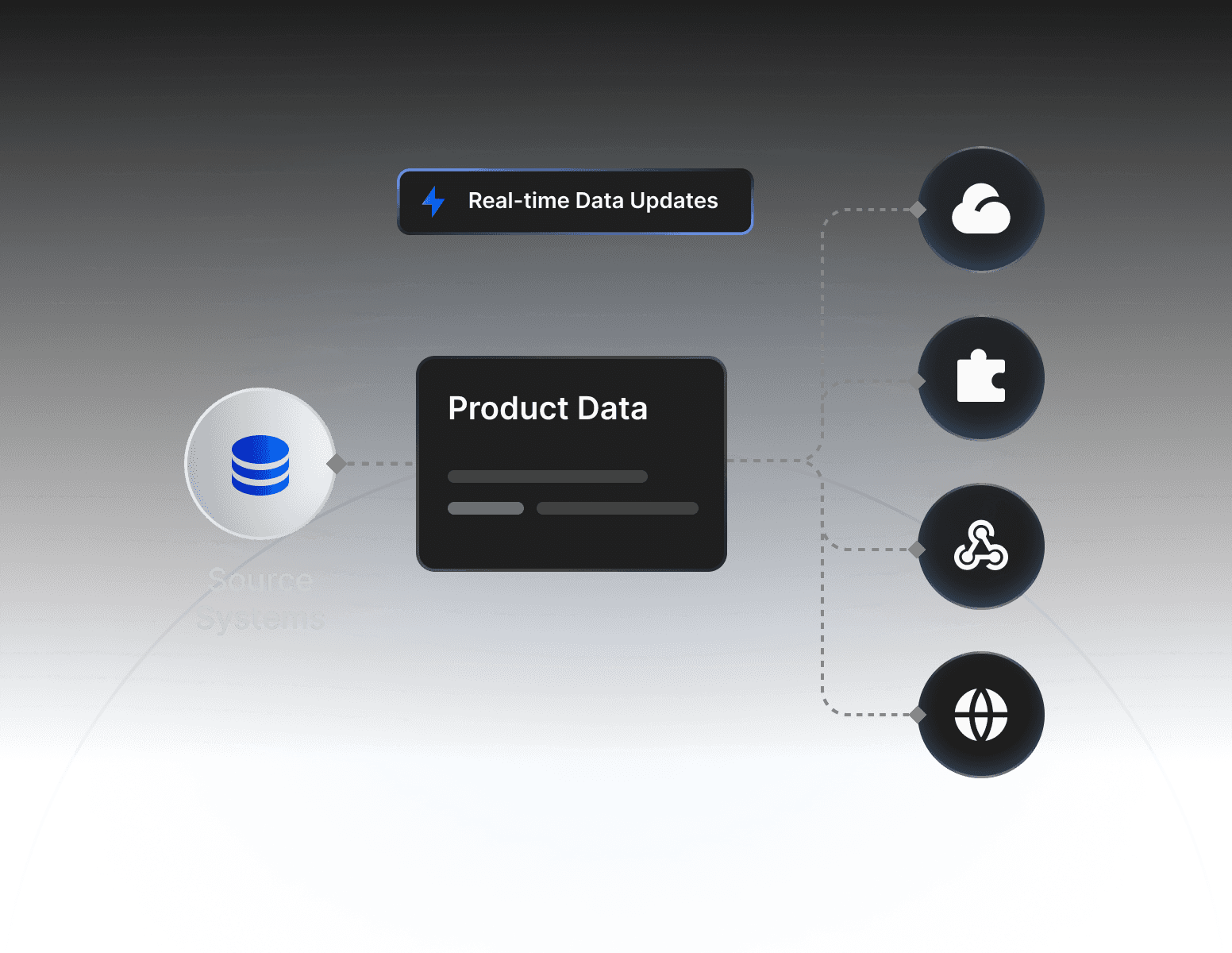
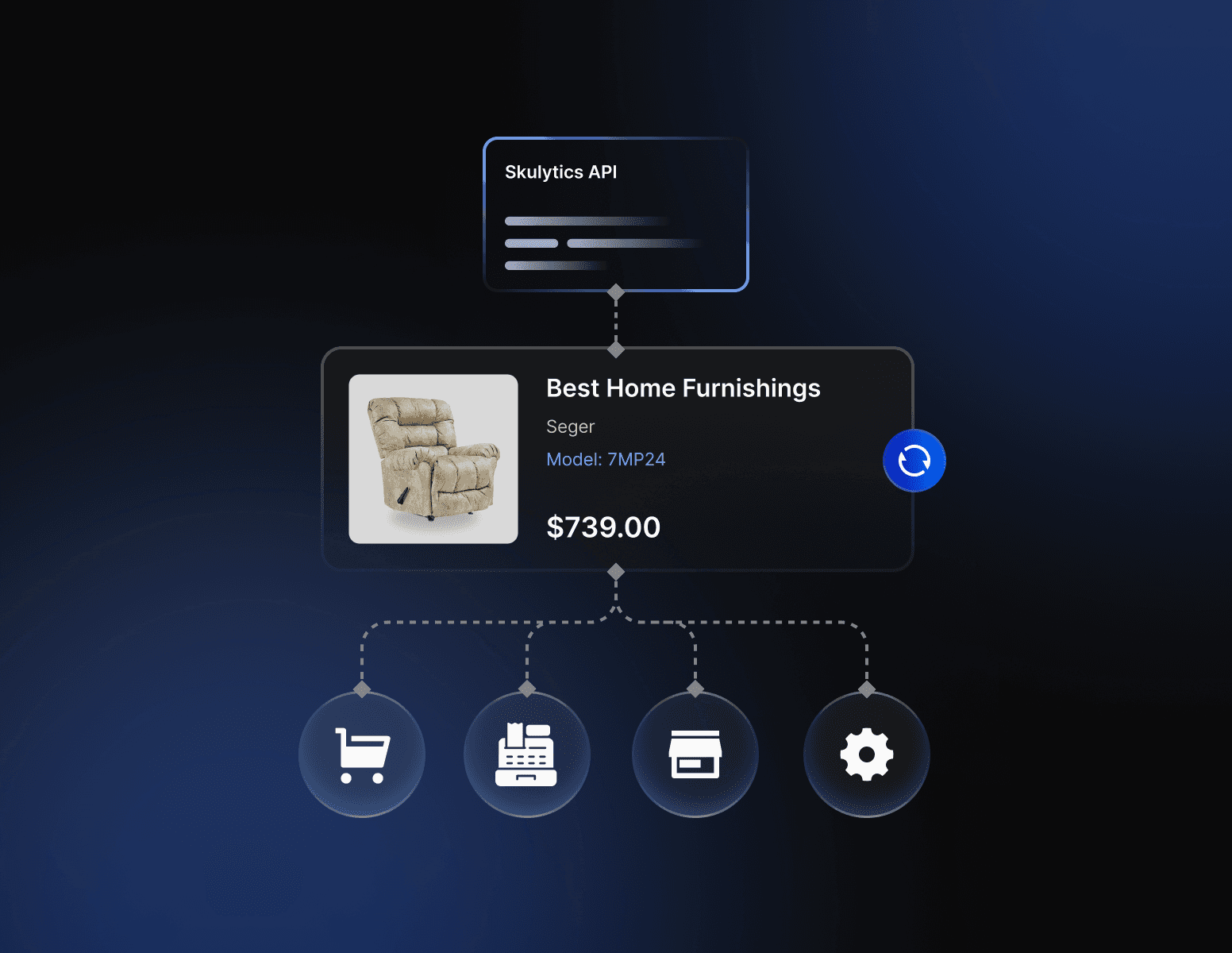
Skulytics is optimized for delivering standardized, real-time product data across entire catalogs via API, ready for immediate use across systems.
Retail Web Services is optimized for providing appliance product data through custom integrations and service-based delivery.
Continuous Data Infrastructure vs Service-Based Delivery
Skulytics vs Retail Web Services
API Delivery vs Custom Integration



Scope
Is your product data used across your full catalog (not just individual products as needed)?
Yes
No
Usage Model
Do you need product data to support multiple systems (eCommerce, ERP, POS, internal tools, partners)?
Yes
No
Data Behavior
Should your product data be continuously delivered in a consistent, standardized format across systems?
Yes
No
Time Horizon
Are you building toward long-term scalability across systems?
Yes
No
When Custom Integration Work Doesn’t Scale
Where Skulytics Delivers Scalable,
API-First Data Infrastructure
Skulytics is designed for teams that:

Manage large product catalogs across multiple systems

Require standardized, consistent data for every SKU across systems
Need product data to stay continuously updated without manual intervention
Want to reduce reliance on custom integrations and ongoing service work
Choose Based On How Your Data is Used
Where Each Approach Fits

Multi-System Catalog Integration
A retailer or platform needs consistent product data across eCommerce, POS, ERP, and internal tools.
Best Fit
Skulytics
Build Integrations, or Access Data Through a Unified Layer
Custom Integration Services vs API-First Data Infrastructure
Both solutions support product data workflows. The difference lies in how that data is delivered and maintained.
Skulytics is designed for continuous data readiness across systems through an API-first infrastructure.
Retail Web Services is designed for custom integrations and service-based data delivery.
